


Each spring, we host our native plant sale featuring a wide variety of New Jersey native species. These plants support pollinators, improve water quality, and promote biodiversity.
Were excited to celebrate the tenth year of our annual native plant sale and the positive impact being made in yards and gardens around Lake Hopatcong over the past decade!
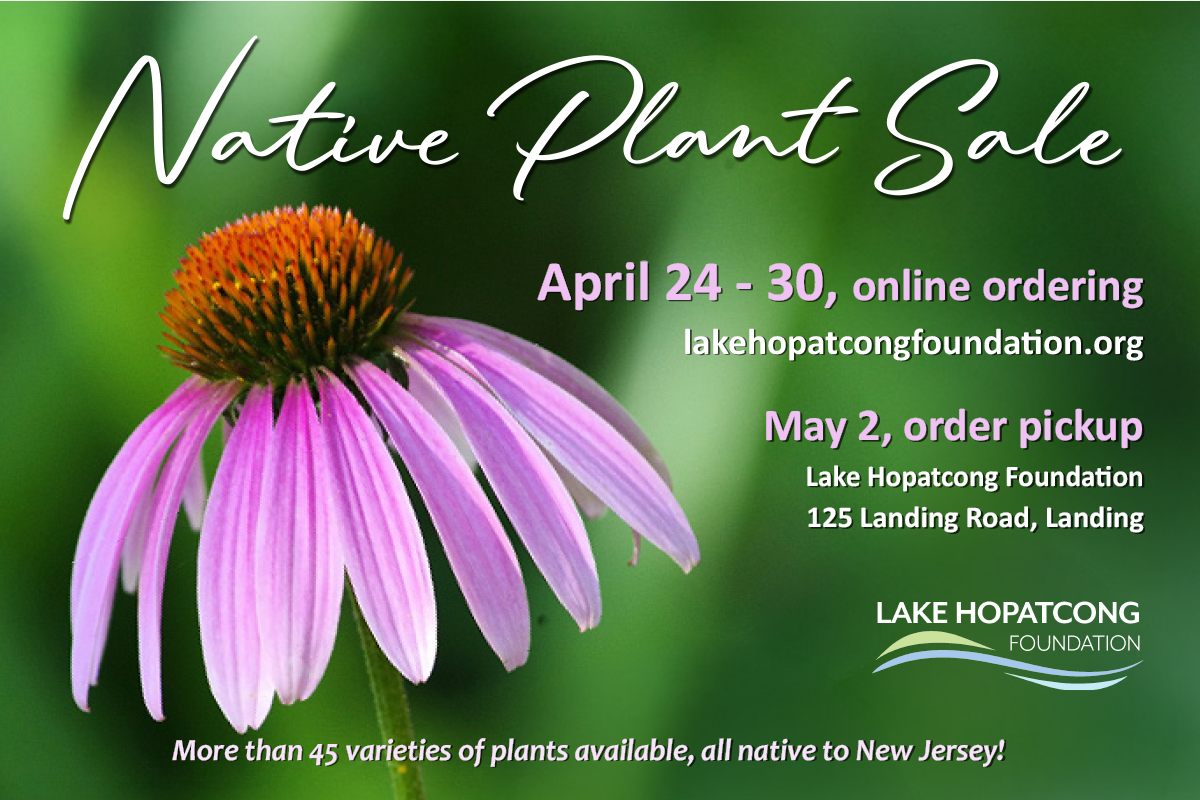
Choose from more than 45 varieties of native plants, including favorites like purple coneflower, common milkweed, and blue baptisia, and a few new-to-our-sale species like sweetbay magnolia and eastern ninebark, all native to New Jersey.Important Dates
Online Ordering: Friday, April 24 – Thursday, April 30, 2026
Order Pickup Date: Saturday, May 2, from 9 am to 12 pm
Pickup Location: Lake Hopatcong Foundation, 125 Landing Road, Landing, NJ
Ordering is now closed. Thank you to everyone who purchased native plants. Pick-up will take place on Saturday, May 2, from 9 AM to noon at our headquarters, 125 Landing Road, Landing, NJ.
We will also be hosting a limited in-person sale during the same time (as above), with approximately 100 remaining plants available!
Each plant purchased and planted contributes to a more resilient and vibrant local ecosystem.
Native plants are featured throughout the grounds of the Lake Hopatcong Foundation, located at 125 Landing Road in Landing, NJ. Visitors are welcome to explore our interpretive gardens, which highlight the beauty and benefits of native species through informative signage and seasonal displays.
We have three main garden areas.
Whether you're new to native plants or looking for ideas for your own yard, our gardens are open for self-guided visits and offer practical, local examples of sustainable landscaping. For a virtual look at some of the plants in our garden, click HERE.
Native plants are species that grow naturally in a region and have adapted over time to local conditions. Because of this, they typically need less water, fertilizer, and maintenance once established, making them an environmentally friendly choice for your yard.
They also play a vital role in supporting healthy ecosystems. Native plants provide food and habitat for birds, native bees, butterflies, bats, and other wildlife. They are especially important for pollinators like the Monarch butterfly, whose populations have declined in recent years. Pollinators are essential for producing many of the fruits and vegetables we rely on, as well as for maintaining healthy plant and wildlife communities.
Natives can even improve water quality. With deeper root systems than grass, native plants more effectively hold soil in place and help filter out pollution from stormwater runoff, allowing heavy rainwater to be absorbed into soils rather than overflowing into storm drainage systems, protecting our waterways, and reducing flooding
By choosing native plants in your yard, you are not only helping wildlife, you are creating a healthier place for yourself, your family, and your community. You are also making choices that are beneficial to the health of Lake Hopatcong, its watershed, and even the planet. And, they're beautiful!